

Westminster Council rubbish rules fines and permits Maida Vale
Posted on 06/07/2026
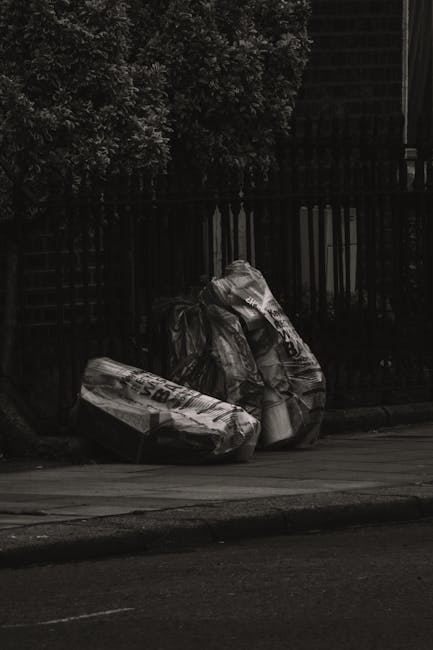
If you live, work, or rent in Maida Vale, rubbish disposal can feel strangely complicated for something so ordinary. One day it's a sofa by the kerb, the next it's a flat clearance, a builders' skip, or a pile of garden waste after a weekend tidy-up. And then the questions start: do you need a permit, what counts as fly-tipping, and how do Westminster Council fines actually happen?
This guide breaks down Westminster Council rubbish rules fines and permits Maida Vale in plain English. The goal is simple: help you avoid costly mistakes, understand when permission is needed, and choose the cleanest, least stressful way to get rid of waste. If you've ever stood in a hallway with a mattress and thought, "Right... now what?"-you're in the right place.
Why Westminster Council rubbish rules fines and permits Maida Vale Matters
Maida Vale sits inside Westminster, which means local rubbish handling is not just about tidiness. It's about keeping pavements passable, avoiding blocked streets, and making sure waste is moved responsibly. In a dense area with mansion blocks, terraces, basement flats, busy mews, and constant loading activity, the margin for error is small.
That matters for two reasons. First, the council can treat badly placed waste as an enforcement issue. Second, improper disposal can create practical headaches for neighbours, porters, managing agents, and anyone trying to get on with their day. A mattress leaning against railings in the morning might seem harmless. By evening, it can become an obstruction, an eyesore, and a complaint.
There's also the money side. Fines, extra handling charges, wasted collection fees, and the cost of correcting a mistake can add up quickly. That is why understanding Westminster Council rubbish rules fines and permits Maida Vale is not just for landlords or building managers. It's useful for anyone who wants to avoid problems before they start.
In a place like Maida Vale, the cheapest rubbish decision is usually the one made early, not the one fixed later.
If you're planning a clearance, it can help to think beyond the bin store. Large items, garden cuttings, builders' debris, and office waste all follow different expectations. A little clarity now saves a lot of awkwardness later. And let's face it, nobody wants a warning notice as part of their week.
How Westminster Council rubbish rules fines and permits Maida Vale Works
The basic idea is straightforward: different kinds of waste must be stored, presented, moved, and removed in the right way. When waste is left in the wrong place, dumped illegally, or collected without proper authority, enforcement can follow. Permits enter the picture when waste needs to occupy public space or when a vehicle, skip, or container has to sit in the road.
In practical terms, this often affects:
- skips placed on a public road
- bags or loose rubbish left on the pavement
- builders' waste from refurbishments
- furniture dumped outside a property too early
- commercial waste set out inconsistently
- items that are not covered by routine household collection arrangements
Not every collection needs a permit. In fact, many standard rubbish removals are arranged without one if the waste is loaded directly into a vehicle and not stored on the public highway. But once you start using a skip, blocking a bay, or needing a vehicle to park in a controlled location, permits become relevant very quickly.
Fines are usually tied to a breach: leaving waste in the wrong place, using the wrong container, failing to follow collection guidance, or allowing waste to be handled by an unlicensed operator. The exact enforcement route can vary, but the risk pattern is easy to understand. If it looks untidy, obstructive, or suspicious, assume it may attract attention.
One useful rule of thumb: if your rubbish plan depends on "we'll just leave it there for a bit," it probably needs a second look.
Key Benefits and Practical Advantages
Following the local rules is not only about avoiding penalties. There are some very real everyday benefits to getting waste handling right.
- Fewer delays: Clear arrangements mean faster uplift and fewer rescheduled visits.
- Lower risk of complaints: Neighbours are less likely to object if waste is handled properly.
- Better safety: Clear pavements, tidy access routes, and correct storage reduce trip hazards.
- Cleaner presentation: Handy for landlords, sellers, letting agents, and anyone preparing a property.
- Less chance of hidden costs: Good planning reduces surprise charges and last-minute add-ons.
There's also a subtle but important advantage: peace of mind. When the paperwork, timing, and access plan are sorted, the whole job feels smaller. You'll notice this especially in flats and shared buildings, where one poorly timed collection can create a chain reaction of bother.
If you're comparing removal options, our guide to the real cost of Maida Vale waste clearance is a helpful companion piece, especially if you want to understand where costs usually come from.
And if sustainability matters to you, it's worth reading about recycling and sustainability practices before deciding how to remove mixed waste. Not all disposal routes are equal, truth be told.
Who This Is For and When It Makes Sense
This topic is relevant to more people than you might think. If you live in Maida Vale, manage property there, or run a local business, these rules can affect you in slightly different ways.
Homeowners and tenants
If you're clearing a flat, replacing furniture, or dealing with post-move waste, the main issue is often access. Can items be carried out safely? Can they be collected without being left on the pavement? Do you need a lift booking, porter support, or timed arrival? These are the little details that make the difference.
Landlords and letting agents
End-of-tenancy waste can be messy. A tenant may leave behind broken furniture, old appliances, or bags of mixed rubbish. In those cases, you need a clean plan, not a hopeful one. This is where a reliable house clearance in Maida Vale or a carefully arranged collection can prevent a lot of back-and-forth.
Builders and renovators
Construction waste is where permit and compliance issues show up fast. Plasterboard, timber, rubble, packaging, and old fixtures add up. If you're working near a narrow street or shared access point, the risk of obstruction is real. For those jobs, builders' waste disposal in Maida Vale is often the more practical route than improvising on the day.
Local businesses
Office moves, shop refits, and regular commercial waste all bring their own headaches. A cardboard pile in the wrong spot or a stored item left too long can attract notice. If that sounds familiar, see office clearance in Maida Vale for a more structured approach.
Put simply: if waste is more than one small bag, or if it leaves your private space, the rules start to matter. That's the point where a bit of planning pays for itself.
Step-by-Step Guidance
Here's the most practical way to deal with rubbish rules, fines, and permits in Maida Vale without overcomplicating it.
- Identify the waste type. Household rubbish, furniture, garden waste, builders' debris, and office items may all need different handling.
- Check where the waste will sit. If anything is going onto a pavement, road, or shared public area, treat that as a permit question.
- Decide whether the load is small or bulky. A few bags are one thing; a mattress, wardrobe, or renovation pile is another.
- Choose the collection method. Skip, man-and-van, scheduled uplift, or specialist disposal all have different pros and cons.
- Confirm timing and access. In Maida Vale, narrow streets and controlled parking can affect the whole job.
- Keep documentation tidy. If you're using a professional service, retain booking details and any waste transfer paperwork you receive.
- Do not leave waste out early. This is a common mistake, and honestly, it's avoidable.
For repeat or same-day needs, a more organised route is usually best. If your waste is time-sensitive, same-day rubbish collection booking tips can help you plan without rushing into the wrong option.
And if the job is happening near a station, busier road, or a tricky corner in the area, our guide to fast rubbish removal near Maida Vale Station is useful for thinking through timing and access. You do not want to be loading a sofa while traffic is building and somebody is impatiently waiting behind you. That's just London.
Expert Tips for Better Results
After plenty of real-world rubbish jobs, a few patterns always stand out. The best jobs are rarely the biggest jobs. They're the best prepared ones.
- Book around access windows. If your building has porter hours, lift restrictions, or quiet times, work with them rather than against them.
- Separate waste where possible. Mixed loads are more awkward to process and can make disposal less efficient.
- Don't assume the pavement is "fine for a minute." A minute can become a complaint quickly.
- Photograph the load before collection. It helps if there's any dispute about what was removed.
- Ask about recycling routes. More sorting upfront can reduce waste and improve outcomes.
A small but useful insight: in shared blocks, the person organising the collection is often not the person who gets blamed if it goes wrong. So be the one who over-checks. It saves awkward conversations later.
If you want a practical example of how local access and removal planning can affect a job, the article on a flat rubbish clearance in Elgin Avenue gives a clear sense of how tight spaces change the process.
For gardening projects, you may also find garden waste removal in Clifton Road helpful because green waste brings its own timing and storage questions. Bags of soil and clipped branches look harmless until they sit for too long. Then they become heavy, muddy, and irritating in equal measure.
Common Mistakes to Avoid
Most problems around rubbish rules in Maida Vale come from a handful of repeat mistakes. Avoid these and you're already ahead of the curve.
- Leaving waste outside too early. This is one of the fastest ways to create an enforcement problem.
- Using a collection method that doesn't suit the street. A skip might work in one location and fail badly in another.
- Forgetting to factor in parking and loading space. If a vehicle can't stop safely, the whole plan starts wobbling.
- Assuming all rubbish is the same. It isn't. Garden waste, furniture, builders' waste, and commercial waste each behave differently.
- Hiring the cheapest option without checking what is included. Hidden extras can make a bargain look rather ordinary.
If your aim is to keep costs under control, it's worth reading how to avoid hidden rubbish clearance charges. That kind of planning is often where the real saving is.
One more thing: don't assume "someone else will sort it." In shared houses and rental blocks, that assumption causes more trouble than any official notice ever does.
Tools, Resources and Recommendations
You don't need fancy software or a complicated compliance folder, but a few simple tools make rubbish handling much easier.
- Phone camera: Take quick photos before collection for your own records.
- Basic checklist: Note the waste type, volume, access issues, and collection window.
- Building rules sheet: Useful if you're in a block with management instructions.
- Measurement estimate: A rough idea of how much space your waste takes helps avoid under-quoting.
- Secure payment method: Keeps the booking clean and traceable.
If you want a broader look at what services are available, our services overview gives a useful starting point. And if you're comparing costs or trying to understand what different service levels include, the pricing and quotes page can help set expectations before you commit.
For people who care about responsible disposal, the page on recycling and sustainability is also worth a look. It's a sensible reminder that good rubbish management is not just about getting rid of things. It's about doing it properly.
Law, Compliance, Standards, or Best Practice
When the topic is fines and permits, a careful approach matters. Waste should be handled in line with applicable UK waste rules, local council expectations, and general duty-of-care principles. In plain English, that means you should know where your waste is going, who is taking it, and whether the method used is appropriate for the location.
For Maida Vale residents and businesses, the main compliance points usually include:
- Not obstructing public space with loose waste, bags, or bulky items
- Using licensed operators where professional removal is involved
- Separating waste correctly when a service or building arrangement requires it
- Arranging permits in advance when a road, bay, or public area will be occupied
- Keeping proof of collection or disposal details where practical
Best practice is usually simple: minimise what sits outside, reduce the time waste spends exposed, and choose a collection method that fits the street. In Maida Vale, where space is tight and streets are busy, that is more than common sense. It is the difference between a smooth day and a messy one.
If you are dealing with a one-off or urgent clearance, it may also be worth reviewing insurance and safety information before booking. Not because you should expect trouble, but because good operators are usually transparent about how they handle risk.
Options, Methods, or Comparison Table
Choosing the right way to remove rubbish in Maida Vale depends on volume, access, urgency, and whether public space is involved. Here's a practical comparison.
| Method | Best for | Permit need | Main advantage | Main drawback |
|---|---|---|---|---|
| Regular household collection | Small domestic waste | Usually not needed | Simple and familiar | Not suitable for bulky or mixed loads |
| Skip hire | Renovations, large clearances | Often needed if on public land | Good for heavier volumes | Space and permit planning can be tricky |
| Man-and-van clearance | Furniture, mixed household waste | Usually lower risk if loaded directly | Flexible and quick | Needs good access timing |
| Specialist clearance | Builders' waste, lofts, offices, gardens | Depends on access and vehicle use | Tailored to the waste type | May need more planning |
For many Maida Vale jobs, a direct collection is the neatest option because it reduces the chance of waste being left outside. If you're dealing with a bulky sofa, wardrobe, or mixed flat clearance, furniture disposal in Maida Vale may be a cleaner fit than trying to piece things together yourself.
Likewise, if you're working from a loft, the access issue is often more important than the waste itself. A loft full of old boxes, luggage, and forgotten bits can look harmless until you try carrying it down three flights. Then the noise, dust, and awkward angles start to matter. For that kind of job, loft clearance in Maida Vale is usually the calmer option.
Case Study or Real-World Example
Here's a realistic scenario. A Maida Vale resident finishes a flat refresh and ends up with a broken armchair, two shelving units, several bin bags, and some packaging. The first instinct is to place everything outside the building entrance for "just one night" until collection can happen. It feels efficient. It is not.
Instead, a better approach is to assess the load, check access times, and organise a same-day or next-day collection that removes everything directly from inside or just outside the property without turning the pavement into temporary storage. That avoids neighbours tripping over the items, keeps the frontage tidy, and reduces the chance of a complaint.
In a similar real-world style case near Sutherland Avenue, a prompt collection worked because the organiser flagged the access limits early and kept the waste moving. That's the big lesson, really. Most rubbish jobs are solved by planning the awkward part before it becomes awkward.
Another common example comes from pre-sale or move-out clearances. When someone is preparing to list a property, timing matters more than volume. A cluttered room can make a flat feel smaller and less cared for. If you're in that position, homes for sale in Maida Vale and your investment guide to Maida Vale properties both show why keeping a property presentable can be commercially important, not just aesthetically nice.
There's a local lifestyle angle too. If you're interested in the rhythm of the neighbourhood, Maida Vale living advice from a local is a helpful read. Waste disposal is part of that wider day-to-day reality. Quiet streets, shared entrances, and building etiquette all shape how rubbish should be managed.
Practical Checklist
Use this checklist before arranging any rubbish removal in Maida Vale:
- Have I identified the exact waste type?
- Will any waste sit on the pavement, road, or shared public area?
- Do I need a permit, a skip, or a direct collection instead?
- Have I checked building access, lift use, and loading times?
- Is the waste sorted enough to keep the job efficient?
- Have I compared the likely total cost, not just the headline price?
- Have I kept a record of the booking and collection details?
- Have I made sure nothing is left out too early?
That might sound basic, but honestly, basic is where good compliance usually starts.
If your job is tied to a local event, move, or gathering, you may also want to look at the Maida Vale party venue guide. Bigger social events often create more packaging, glass, food waste, and post-event clean-up than people expect. One night of celebration can produce a surprising amount of rubbish. It's almost rude, really.
Get a free quote today and see how much you can save.

Conclusion
Westminster Council rubbish rules fines and permits Maida Vale is really about one thing: handling waste in a way that fits the area. Maida Vale is busy, residential, and full of shared spaces, so a casual approach can quickly become an expensive one. The good news is that the rules are manageable once you understand the basics.
Know your waste type. Check whether anything touches the public highway. Keep items moving, not parked outside. And if in doubt, choose the cleaner and more controlled option rather than improvising. That simple shift prevents most of the problems people end up paying for.
If you're planning a clearance, moving furniture, clearing a loft, or dealing with builders' waste, a little structure goes a long way. You don't need to make it complicated. Just make it sensible. That's usually enough.
And if you do it properly, the whole job feels lighter. A bit less stressful. A bit more under control. Which, in London, is no small thing.
 Tipper Van - Waste Clearance and Builders Waste Removal Prices in Maida Vale, W9
 Luton Van - Waste Clearance and Builders Waste Removal Prices in Maida Vale, W9

